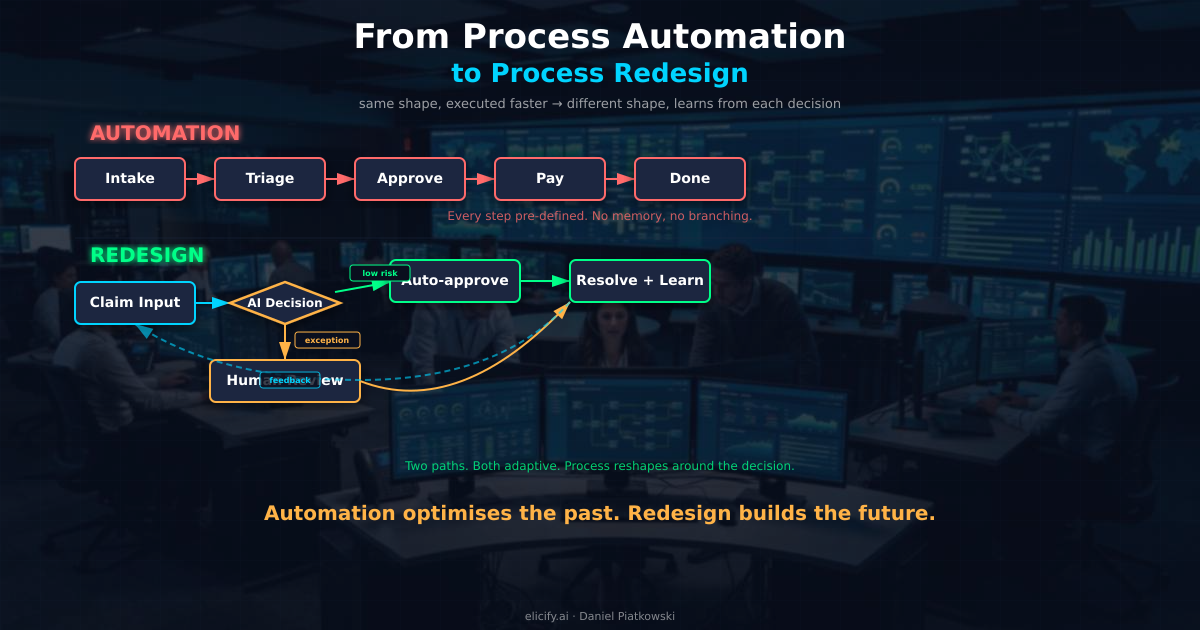

From Process Automation to Process Redesign
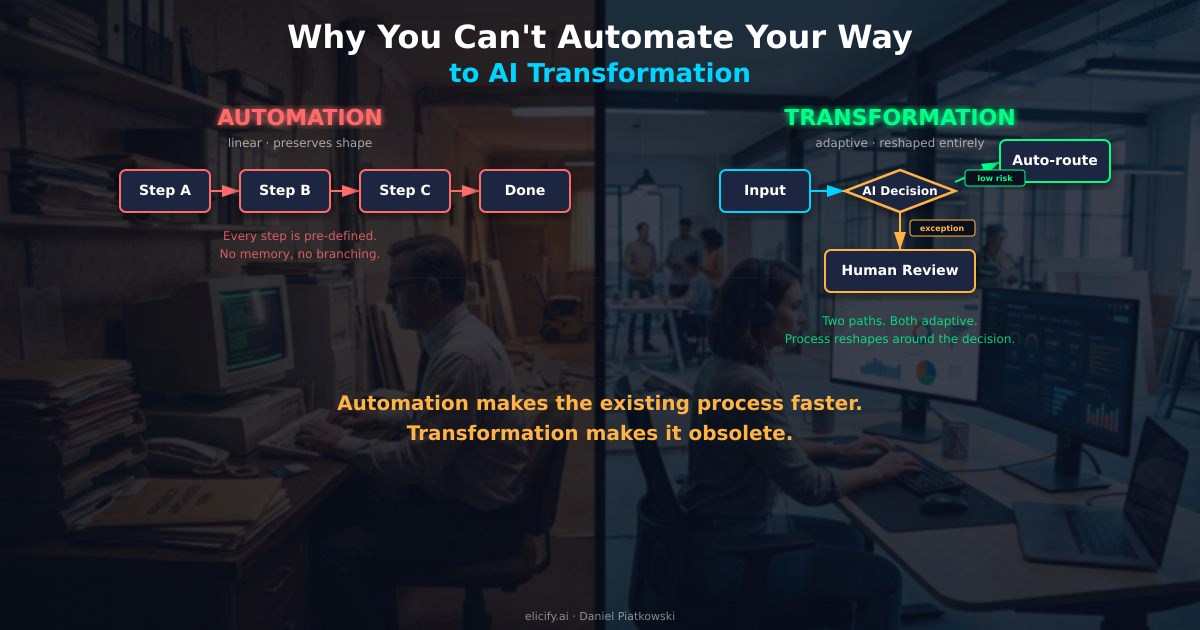
Process automation creates efficiency. Process redesign creates structural advantage. Here's the five-step framework for moving from one to the other — and why agentic AI makes it possible.
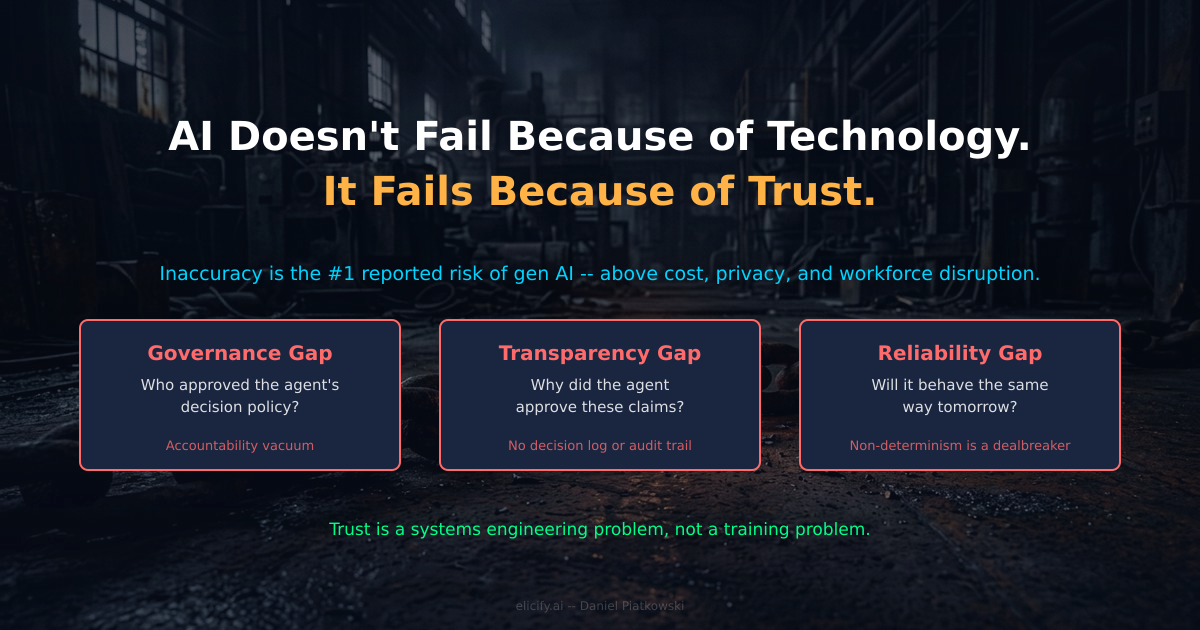
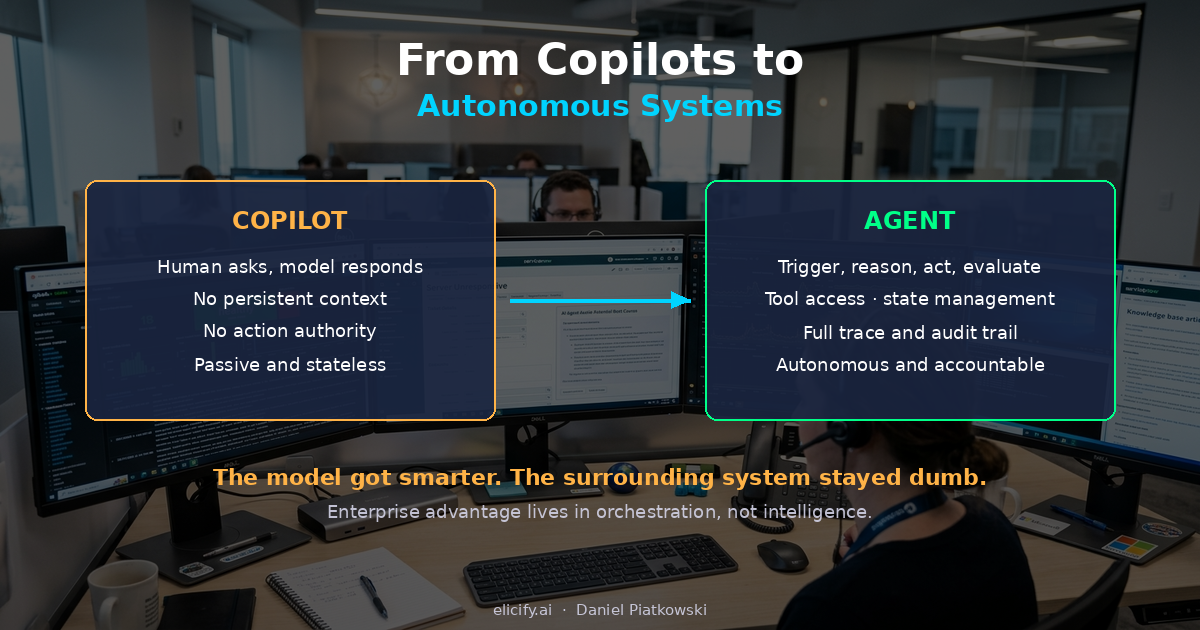
Most enterprise agent programmes stall not because the models underperform, but because nobody trusts them enough to let them operate. Trust is a systems engineering problem, not a training problem.
Automation makes existing processes faster. AI transformation requires redesigning them from first principles. Here's the four-principle framework for AI-native process redesign.
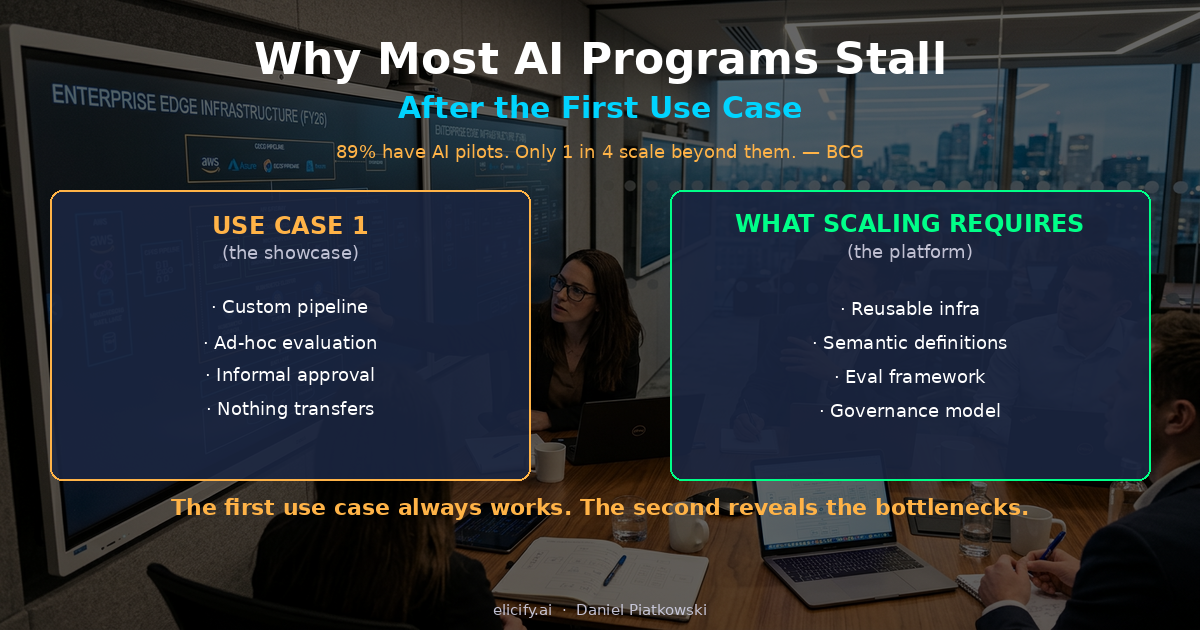
The first AI use case is a showcase. The second reveals the organisational bottleneck. Programs stall because they build demos, not scaffolding.
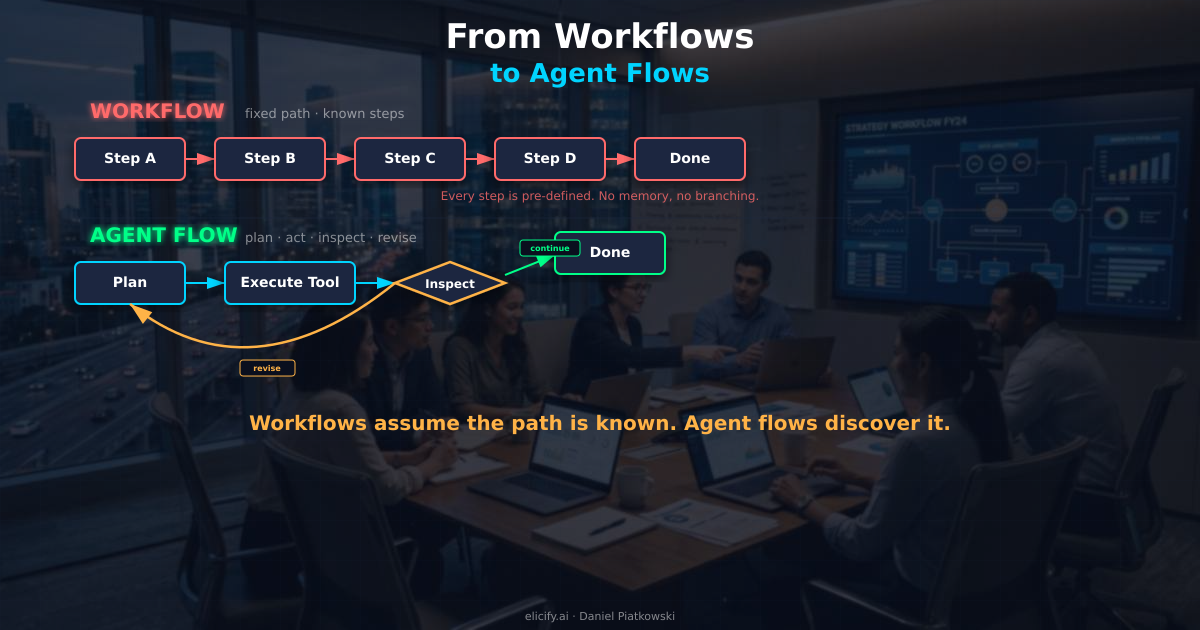
Classic workflows assume a known path. Agent flows assume uncertainty. That distinction demands three engineering shifts most enterprises have not made.
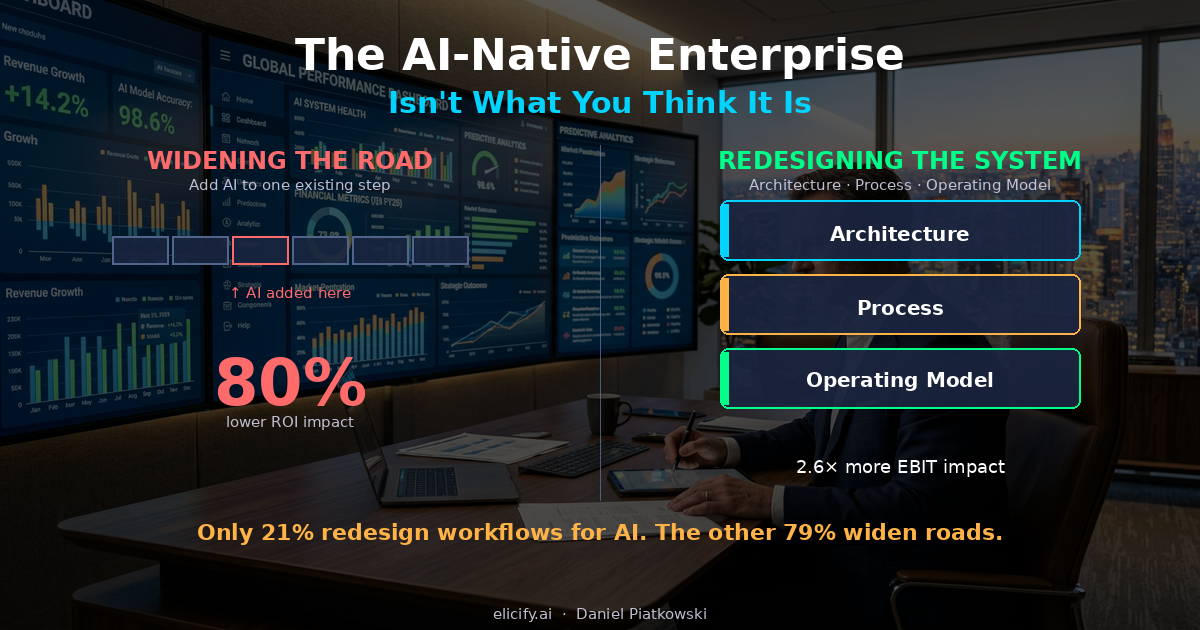
80% of AI projects fail because organisations address technology without redesigning architecture, processes, and operating models together. Here's the framework that changes that.
Models improve monthly. Frameworks compound annually. The enterprise advantage in agentic AI lives in orchestration, tool access, and accountability -- not intelligence.
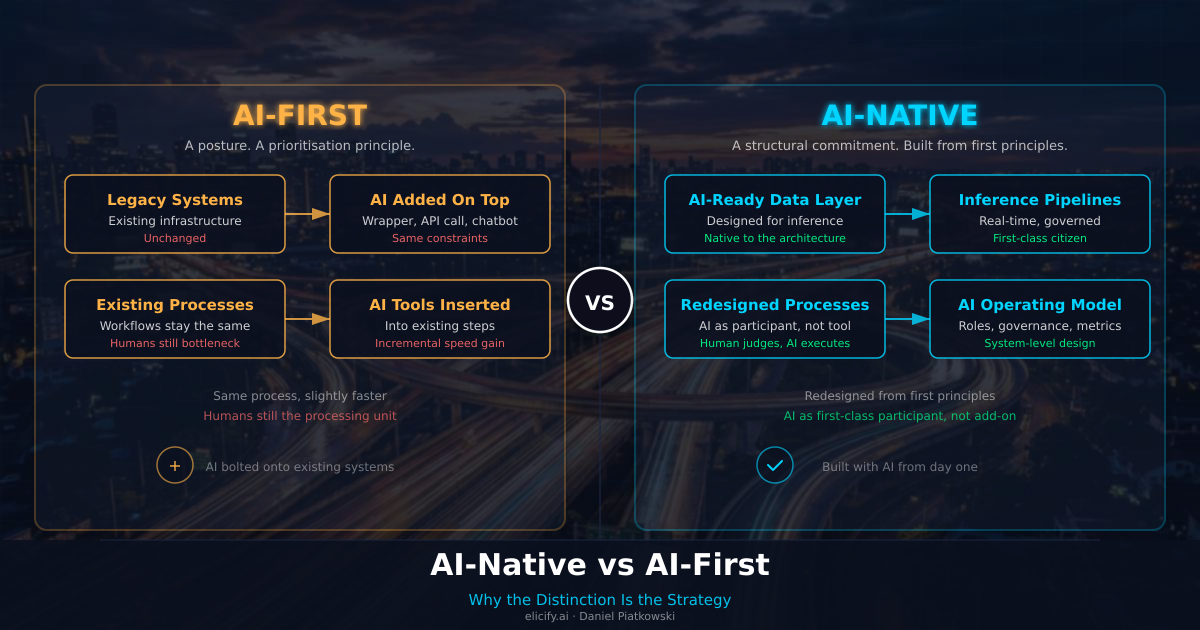
Every enterprise strategy deck in 2026 contains one of two phrases: "AI-first" or "AI-native." They're used interchangeably in boardrooms, investor updates, and transformation roadmaps. Most executives who use them couldn't tell you the difference. That confusion is not semantic. It is structural.
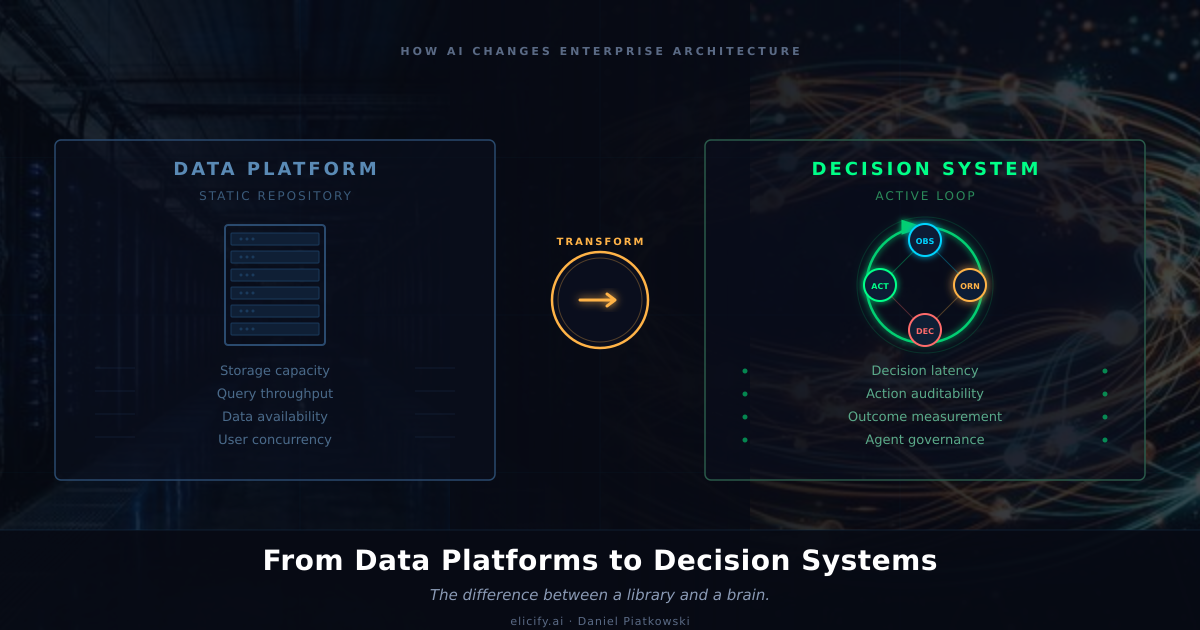
Enterprises spent a decade building data platforms. Now AI needs decision systems. The difference is the difference between a library and a brain.
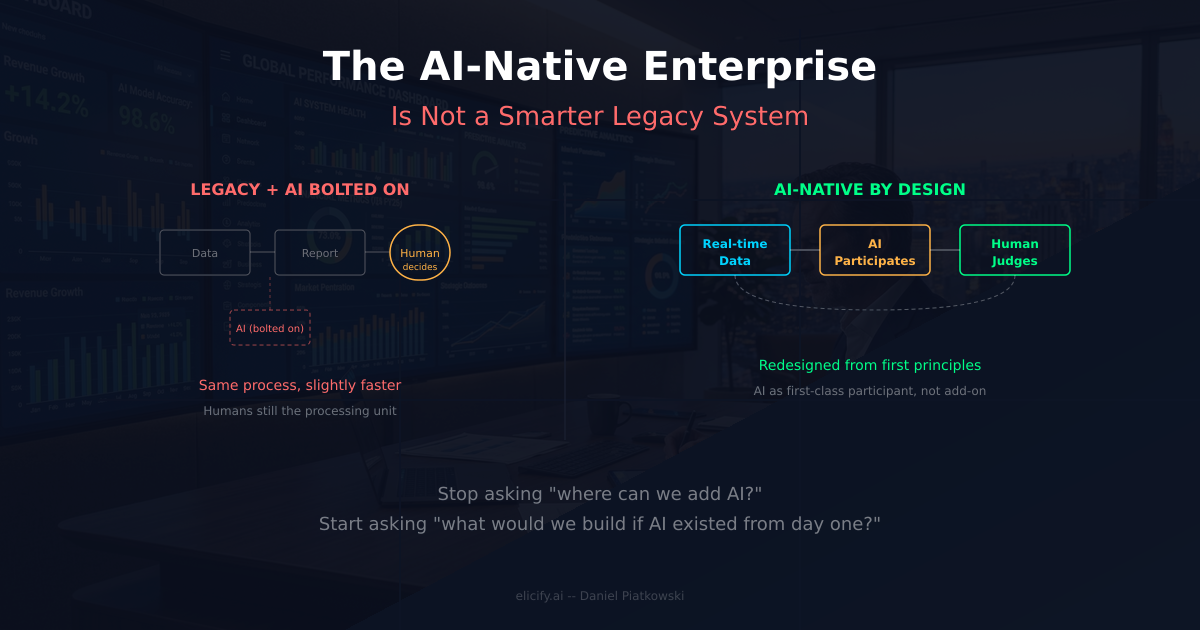
Most enterprises are deploying AI into legacy systems and wondering why transformation stalls. The AI-native enterprise isn't an upgrade — it's a fundamental redesign.
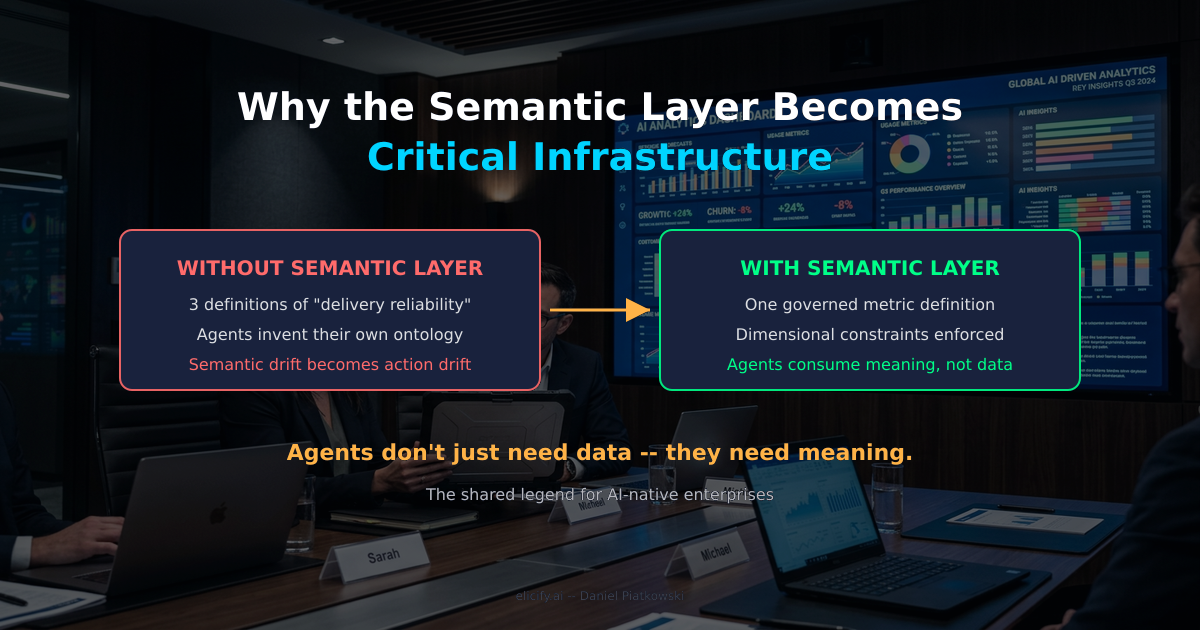
Agents don't just need data -- they need meaning. The semantic layer is becoming agent safety infrastructure because it constrains what decisions an agent may take.